
Clewiston Hedging Services
Choose our professional hedging services for precise, beautiful results that enhance privacy, boost property value, and keep your landscape looking its best year-round.
Get a Free QuoteOur Clewiston Landscaping & Yard Care Services
When to Schedule Hedging in Clewiston, Florida – Seasonal Guide
In Clewiston, Florida, the best times to schedule hedging are typically late winter through early spring and again in late summer. These periods align with the region’s subtropical climate, which features mild winters and hot, humid summers. By timing your hedging before the main growth spurts, you help ensure healthy regrowth and maintain the manicured look of properties in neighborhoods like Sugarland Estates and around Lake Okeechobee.
Local environmental factors play a significant role in determining the ideal hedging schedule. For example, Clewiston’s last frost date usually falls in early February, making late winter a safe window for pruning without risking frost damage. The area’s sandy soils and occasional drought risk mean it’s important to avoid heavy trimming during extended dry spells. Additionally, the dense shade from mature oaks in areas near Civic Park can affect how quickly hedged plants recover. For more information on local regulations and best practices, visit the official municipal resource.
Local Factors to Consider for Hedging in Clewiston
- Tree density and proximity to structures
- Soil type (sandy vs. loamy)
- Seasonal precipitation and drought risk
- Humidity and shade coverage
- Municipal restrictions or neighborhood association guidelines
- Proximity to landmarks like Lake Okeechobee or Civic Park
Benefits of Hedging in Clewiston
Enhanced Curb Appeal
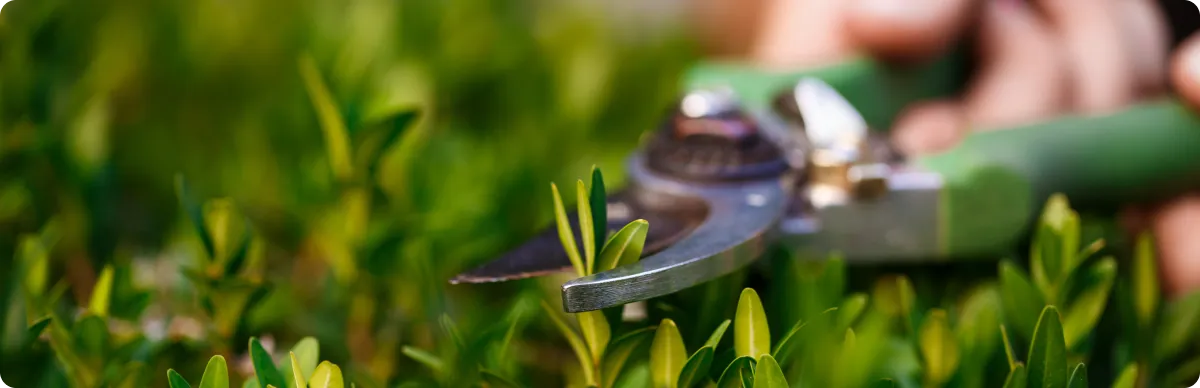
Professional Hedge Shaping
Improved Property Value
Expert Local Knowledge
Reliable Scheduling
Eco-Friendly Landscaping Solutions
Clewiston Hedging Types

Boxwood Hedges
-
Privet Hedges
-
Holly Hedges
-
Laurel Hedges
-
Yew Hedges
-
Arborvitae Hedges
-
Photinia Hedges
Our Hedging Process
Consultation
Site Preparation
Precision Trimming
Cleanup
Why Choose Clewiston Landscape Services
-
Clewiston Homeowners Trust Us
-
Expert Lawn Maintenance
-
Reliable Scheduling
-
Competitive Pricing
-
Professional Team
-
Satisfaction Guarantee
-
Personalized Service
Coordinating Hedge Maintenance With Clewiston's Municipal Departments and Programs
Hedge maintenance in Clewiston requires awareness of municipal processes that govern vegetation along rights-of-way, sidewalks, and drainage corridors. The City of Clewiston's Public Works Department oversees vegetation management in public-facing areas, including swale edges and stormwater infrastructure adjacent to residential and commercial hedgerows. Property owners maintaining hedges near city sidewalks, roadways, or canal easements should verify clearance requirements to avoid obstructing pedestrian paths or sight lines at intersections. Vegetative debris generated from hedge trimming must be handled according to the city's yard waste collection procedures; residents should confirm current bundling and curbside placement rules with Public Works before scheduling large-scale hedge work. For properties undergoing site plan review or new landscape installation involving hedges as screening elements, the Community Development Department manages development review and code enforcement coordination.
- Confirm right-of-way hedge clearance standards before trimming hedges along city sidewalks or roadways
- Follow municipal yard waste disposal rules for clippings, branches, and vegetative debris
- Coordinate with Community Development for hedge screening requirements tied to site plans or zoning conditions
- Keep hedge trimmings out of swales, canal banks, and stormwater inlets
Clewiston Public Works Department
Official Website: Clewiston FL Public Works
Clewiston Community Development Department
Official Website: Clewiston FL Community Development
How Clewiston's Subtropical Climate and Soils Influence Hedge Growth Patterns
Clewiston sits in USDA Hardiness Zone 10a along the southern shore of Lake Okeechobee, placing it firmly within a subtropical inland environment characterized by intense summer heat, high humidity, and a pronounced wet season from roughly May through October. These conditions drive rapid hedge growth during the warm months, often requiring more frequent shaping cycles than properties in cooler parts of the state. The area's soils are predominantly sandy and marl-influenced, with organic-rich low areas near canal corridors and lake-adjacent parcels. These soil profiles drain quickly in some locations but can retain moisture in others, directly affecting root health and hedge density.
- Heat and humidity: Summer temperatures regularly exceed 90°F with elevated humidity, accelerating shoot elongation in species such as Ficus, Clusia, and Cocoplum
- Wet-season flush: Heavy rainfall from June through September triggers vigorous growth spurts that can cause hedges to lose their formal shape within weeks
- Sandy and marl soils: Rapid drainage in sandy areas may require supplemental irrigation for newly established hedges, while marl-influenced soils near Lake Okeechobee can hold moisture longer
- High water table: Properties near canals and the lake may experience seasonally elevated water tables, influencing root depth and species selection
Referencing the USDA Plant Hardiness Zone Map and the USDA Web Soil Survey can help property owners and managers identify site-specific conditions before selecting or maintaining hedge species.
Navigating Clewiston's Zoning and Code Requirements for Residential Hedging
Hedge installations and maintenance in Clewiston may be subject to local land development regulations, particularly when hedges serve as required screening, buffering, or fencing alternatives under the city's zoning code. The Clewiston Municipal Code contains provisions related to vegetation height, setback compliance, and sight-triangle visibility at intersections and driveway approaches. Property owners should verify current requirements with the Planning and Zoning Division before installing new hedgerows intended to satisfy screening or buffer conditions.
- Hedges used as required landscape buffers between zoning districts may need to meet minimum height and opacity standards; verify current thresholds through the city's development review process
- Sight-triangle regulations typically restrict hedge height near intersections and driveway exits to maintain driver and pedestrian visibility
- Code enforcement may address overgrown hedges that encroach onto sidewalks, rights-of-way, or neighboring properties
- Any chemical treatments applied to hedges, including pesticides for whitefly or scale infestations, must comply with Florida Statute Chapter 487, and commercial applicators must hold valid FDACS pesticide applicator licenses
Stormwater protection is also relevant: hedge clippings and soil disturbance near drainage swales or canal easements must not introduce sediment or organic debris into the city's stormwater system, consistent with Florida DEP NPDES stormwater program standards.
Clewiston Planning & Zoning Division
Official Website: Clewiston FL Planning & Zoning Division
Timing and Methods for Professional Hedge Shaping in Clewiston's Climate
Effective hedge maintenance in Clewiston depends on aligning shaping cycles with the city's subtropical growth patterns and seasonal weather. During the wet season, many common South Florida hedge species—including Ficus, Green Island Ficus, Clusia guttifera, Cocoplum, and Podocarpus—produce rapid new growth that can compromise formal lines within three to five weeks. Dry-season growth slows considerably from November through April, allowing longer intervals between trimmings.
- Shaping frequency: Most formal hedges in Clewiston's climate require trimming every four to six weeks during the wet season and every eight to twelve weeks during the dry season, depending on species and desired formality
- Morning scheduling: Trimming early in the day reduces heat stress on both workers and freshly cut plant tissue, and allows wounds to begin sealing before afternoon humidity peaks
- Tool sanitation: Sanitizing shears and powered trimmers between properties helps prevent the spread of fungal pathogens, which thrive in Clewiston's warm, humid conditions
- Irrigation coordination: Hedges should receive adequate irrigation following heavy shaping, particularly during dry months; watering restrictions may vary by utility schedule and water management district directives, so property owners should confirm current allowances
- Debris management: All clippings should be collected promptly and kept away from canal banks, swale edges, storm-drain inlets, and retention areas to protect water quality
Guidance from UF/IFAS on protecting Florida's water resources reinforces the importance of preventing landscape debris from entering local waterways.
What Neighborhoods Do We Serve Throughout Clewiston, FL?
- Harlem Community: This historically established area features mature hedgerows on many residential lots, often requiring regular shaping to maintain sidewalk clearance and property-line definition along older streetscapes.
- Clewiston Golf Course Estates: Properties adjacent to the golf course frequently use formal hedges for privacy screening, with irrigation systems that support dense growth and more frequent trimming cycles.
- Hookers Point: Located near Lake Okeechobee, this area's proximity to the lake and associated canal infrastructure means hedge maintenance must account for elevated water tables and drainage sensitivity.
- Royal Palm Estates: Newer subdivision development in this area often includes hedges as required landscape buffers, with HOA appearance standards that may dictate species selection and maximum hedge height.
- Montura Ranch Estates: Larger rural-residential lots in this outlying area present access considerations for hedge service crews and may feature informal hedgerows along property boundaries and canal easements.
- Downtown Clewiston: Commercial and mixed-use properties in the downtown core maintain hedges for frontage appearance, with particular attention to sight-triangle compliance at intersections and pedestrian walkways.