
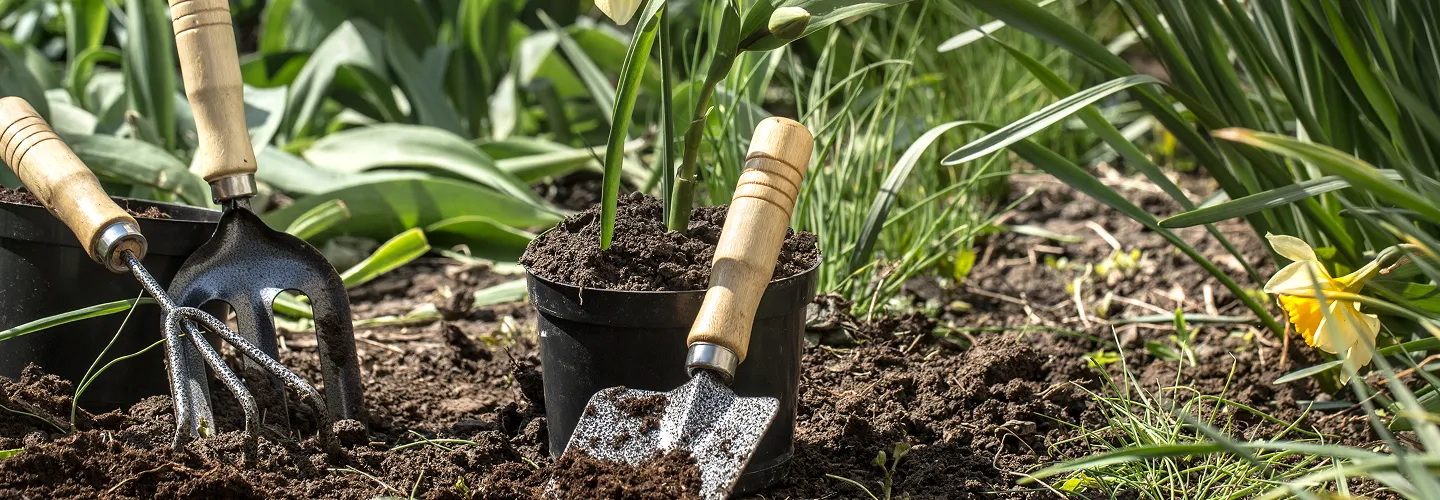
Clewiston Flower Planting Services
Choose our flower planting services for vibrant, long-lasting blooms, expert plant selection, and meticulous care that transforms your garden into a colorful oasis season after season.
Get a Free QuoteOur Clewiston Landscaping & Yard Care Services
When to Schedule Flower Planting in Clewiston, Florida – Seasonal Guide
Flower planting in Clewiston, Florida, is best scheduled with careful attention to our unique subtropical climate and local landscape features. The optimal planting windows are typically late winter through early spring and again in early fall, when temperatures are moderate and rainfall is more predictable. In neighborhoods like Sugarland Estates and near the Clewiston Golf Course, residents benefit from slightly varied microclimates, but all should be mindful of the last frost date—usually in early February—before planting tender annuals.
Local environmental factors such as high summer humidity, occasional drought risk, and the sandy, well-draining soils common in areas near Lake Okeechobee all play a role in determining the best time for flower planting. Shade coverage from mature oaks in places like Ridgewood Avenue can extend the planting season, while open, sun-exposed lots may require more frequent irrigation. For more information on local planting guidelines, visit the official resource.
Local Factors to Consider for Flower Planting in Clewiston
- Tree density and shade coverage in your yard
- Soil type and drainage, especially in lakeside neighborhoods
- Average precipitation and risk of drought during summer months
- Frost dates and temperature fluctuations in late winter
- Terrain and elevation, particularly near canal systems
- Municipal restrictions or HOA guidelines on landscaping
Benefits of Flower Planting in Clewiston
Enhanced Curb Appeal
Increased Property Value
Expert Plant Selection
Seasonal Color Variety
Low Maintenance Solutions
Eco-Friendly Landscaping
Clewiston Flower Planting Types

Annual Flower Beds
-
Perennial Garden Design
-
Native Wildflower Plantings
-
Seasonal Color Rotations
-
Pollinator-Friendly Gardens
-
Shade-Loving Flower Arrangements
-
Drought-Tolerant Flower Selections
Our Flower Planting Process
Site Evaluation
Soil Preparation
Flower Selection
Planting
Watering and Mulching
Why Choose Clewiston Landscape Services
-
Clewiston Homeowners Trust Us
-
Expert Lawn Maintenance
-
Reliable Scheduling
-
Competitive Pricing
-
Professional Team
-
Satisfaction Guarantee
-
Personalized Service
Coordinating Flower Planting Projects with Clewiston's Municipal Departments
Flower planting on residential and commercial properties in Clewiston may involve coordination with city departments when work occurs near rights-of-way, stormwater infrastructure, or public-facing frontage areas. The City of Clewiston's Public Works Department oversees vegetation management along municipal corridors, stormwater conveyance systems, and drainage swales that border many residential lots. Property owners planning flower installations adjacent to these features should verify that plantings will not obstruct drainage flow, encroach into utility easements, or impede swale function. For projects that involve site grading, irrigation line installation, or landscape modifications on properties subject to development review, the Community Development Department can clarify whether site plan approval or code compliance review applies.
- Confirm that new planting beds do not block or redirect stormwater flow into city swales or canal edges
- Verify setback and easement boundaries before installing raised beds or border plantings near rights-of-way
- Coordinate with Public Works regarding any vegetative debris generated during bed preparation
Clewiston Public Works Department
Official Website: Clewiston FL Public Works
Clewiston Community Development Department
Official Website: Clewiston FL Community Development
How Clewiston's Inland Subtropical Climate Shapes Flower Planting Success
Clewiston sits in USDA Hardiness Zone 10a along the southern shore of Lake Okeechobee, placing it firmly within South Florida's subtropical inland corridor. The city's climate presents distinct conditions that directly affect flower establishment and long-term performance. Soils in the Clewiston area are predominantly sandy with organic muck layers common in low-lying sections near the lake and agricultural margins, resulting in rapid nutrient leaching and variable moisture retention. The high water table, particularly during the wet season from late May through October, can saturate root zones and promote fungal disease in improperly sited plantings. Summer heat regularly exceeds 90°F with intense humidity, stressing flowers that lack heat tolerance. According to the USDA Plant Hardiness Zone Map, Clewiston's minimum winter temperatures rarely drop below 30°F, allowing year-round establishment of tropical and subtropical species such as pentas, firebush, lantana, plumbago, and blanket flower.
- Sandy soils require organic amendment to improve moisture and nutrient retention in planting beds
- High water table conditions demand raised bed construction or species tolerant of periodic saturation
- Intense summer rainfall can wash out freshly installed plantings if beds lack proper mulch cover and grading
Navigating Clewiston's Land Use Codes and Environmental Rules for Flower Planting
Flower planting in Clewiston is generally not subject to individual permits, but property owners should be aware of several regulatory layers that may apply depending on project scope and location. The Clewiston Municipal Code contains land development regulations addressing landscaping standards, frontage maintenance, and vegetation within required buffer areas. Properties adjacent to canals, retention ponds, or Lake Okeechobee drainage infrastructure fall under broader stormwater protection requirements administered through the Florida DEP NPDES Stormwater Program and the South Florida Water Management District. Any soil amendments, fertilizers, or pest-control products applied during or after planting must comply with Florida Statutes §403.9337, which establishes the model ordinance framework for Florida-Friendly fertilizer use on urban landscapes.
- Verify whether the property lies within a stormwater management overlay or canal maintenance easement before excavating planting beds
- Fertilizer applications near water bodies should follow nutrient management guidelines to prevent runoff into Lake Okeechobee's watershed
- Commercial applicators using pesticides during bed preparation must hold valid licensure through FDACS Pesticide Applicator Certification
Timing and Methods for Flower Planting in Clewiston's Growing Seasons
Professional flower planting in Clewiston follows two primary installation windows aligned with the region's subtropical climate. The optimal cool-season window runs from October through early March, when reduced rainfall, lower humidity, and moderate temperatures allow transplants to establish root systems before summer heat arrives. A secondary warm-season window in late May through June can work for heat-tolerant species, provided irrigation is immediately available and mulch is applied to buffer soil temperatures. Bed preparation should include removal of existing weeds and roots, incorporation of composted organic matter into the top six to eight inches of sandy soil, and verification that irrigation emitters or drip lines provide uniform coverage across the planting zone.
- Amend sandy soils with composted organic material at a depth of six to eight inches to improve water-holding capacity
- Apply two to three inches of organic mulch around plantings, keeping mulch pulled back from stems to prevent crown rot
- Select species rated for Zone 10a that tolerate both summer saturation and dry-season irrigation dependence
- Schedule planting for early morning or late afternoon to reduce transplant shock from direct midday sun
- Ensure excess irrigation and rainfall drain away from beds rather than pooling against foundations or flowing toward swales and storm drains
As outlined by UF/IFAS Gardening Solutions, protecting Florida's water resources requires that landscape practices minimize nutrient and sediment movement into surface water systems. In Clewiston, this is particularly relevant given the city's proximity to Lake Okeechobee and the network of agricultural and municipal drainage canals surrounding the community.
Clewiston Recreation Department
Official Website: Clewiston FL Recreation
What Neighborhoods Do We Serve Throughout Clewiston, FL?
- Harlem Community — This historically established area features older lot configurations with mature shade trees that influence sun exposure and species selection for flower beds.
- Clewiston Golf Course Estates — Properties here often maintain manicured frontage with irrigation systems already in place, supporting a wider range of ornamental flower species.
- Ridgelawn Cemetery Area Residences — Residential lots in this section tend toward smaller footprints with limited planting space, making container and border flower installations practical options.
- Royal Palm Avenue Corridor — This central residential corridor features mixed lot sizes with proximity to municipal stormwater infrastructure, requiring attention to drainage when establishing new planting beds.
- Sugarland Estates — Newer subdivision development in this area may present compacted fill soils that benefit from thorough amendment before flower installation.
- Lake Okeechobee Waterfront Properties — Lots adjacent to the lake or its associated levee system face elevated water table conditions and potential wind exposure that influence both species selection and bed placement.